
Chia Seeds: Tiny Seeds, Big Everyday Benefits (and How to Use Them)

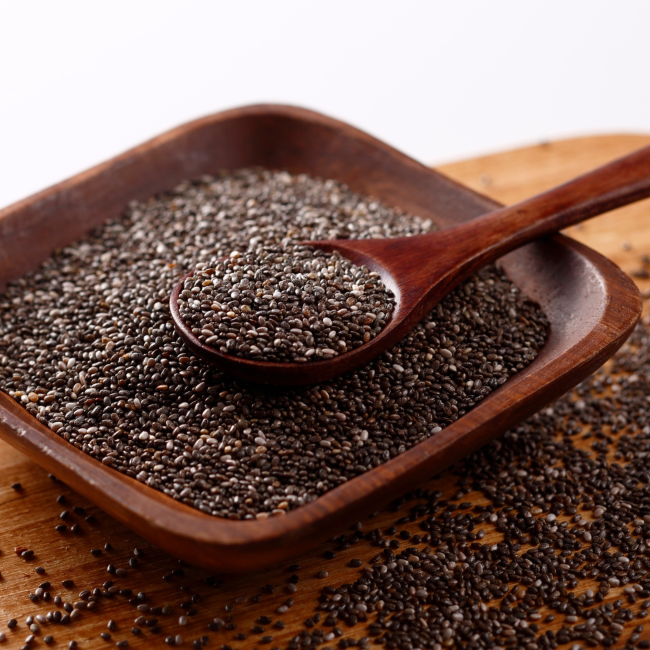
Chia seeds might be small, but they punch above their weight in the nutrition department. Originally used as an energy staple in parts of Central and South America, chia seeds are now popular because they’re simple, versatile, and easy to add to meals without changing flavour too much.
What makes chia seeds special?
Chia seeds are best known for three things: fibre, healthy fats, and their gel-like texture.
Fibre: Chia seeds are rich in dietary fibre, which helps support regular digestion and can help you feel fuller after a meal. Fibre is also linked to better long-term heart and metabolic health when eaten consistently as part of a balanced diet.
Omega-3 fats (ALA): Chia contains alpha-linolenic acid (ALA), a plant-based omega-3. Your body can convert small amounts of ALA into the forms used in fish oil (EPA/DHA), but the conversion is limited—so think of chia as a useful contributor, not a replacement for fatty fish if you eat it.
Minerals: Chia also provides minerals like magnesium, phosphorus, and calcium, which support normal body functions including muscle, bone, and energy metabolism.

The “chia gel” effect
One of chia’s most unique features is how it absorbs liquid and forms a gel. This can be helpful in two ways:
It makes foods feel more satisfying (think: thicker smoothies or puddings).
It can be used as a simple egg alternative in some baking recipes (great for muffins or pancakes).
To make chia gel, mix 1 tablespoon chia seeds with 3 tablespoons water, stir well, and wait about 10–15 minutes.

Easy ways to eat chia seeds (without getting bored)
Chia has a mild taste, so it blends into a lot of foods:
Chia pudding: Mix 2 tablespoons chia + ½ cup milk (dairy or plant) + a little honey or fruit. Refrigerate for 2–4 hours or overnight.
Smoothies: Add 1 tablespoon for thickness and extra fibre.
Oats and yogurt: Sprinkle 1–2 teaspoons on top, or stir into overnight oats.
Soups and sauces: A small amount can slightly thicken soups or stews.
Baking: Use chia gel as a binder in simple baked goods.
How much is a sensible amount?
Most people do well with 1–2 tablespoons a day. If you’re new to high-fibre foods, start smaller (like 1 teaspoon) and increase slowly—your gut will thank you.
A few important cautions
Chia seeds absorb water quickly. To avoid discomfort:
Drink enough water, especially if you’re increasing fibre.
If you have trouble swallowing, avoid eating dry chia by the spoonful. Pre-soaking is safer and more pleasant.
If you take medications or have digestive conditions, it’s wise to check with a healthcare professional, since very high fibre intake can affect digestion and, in some cases, how certain medicines are absorbed.
The bottom line
Chia seeds aren’t magic—but they are an easy, affordable way to boost fibre and add plant-based omega-3s. Use them as a “small habit” ingredient: consistent, low-effort, and flexible. In nutrition, that kind of habit often matters more than any dramatic superfood claim.


Comments