
10 Healthy Eating Tips for a Balanced Diet

Updated: Jan 10
Eating healthy is not just a trend; it's a lifestyle choice that can significantly impact your overall well-being. With the abundance of information available, it can be overwhelming to know where to start. This guide will provide you with 10 practical tips to help you maintain a balanced diet, ensuring you get the nutrients your body needs while enjoying your meals.
Understand Your Nutritional Needs
Before making any changes to your diet, it's essential to understand your nutritional needs. Factors such as age, gender, activity level, and health conditions play a significant role in determining what your body requires.
Consult a professional: A registered dietitian can provide personalized advice based on your specific needs.
Use online resources: Websites like the USDA's MyPlate can help you understand the recommended daily intake of various food groups.
Focus on Whole Foods
Whole foods are minimally processed and free from artificial ingredients. They are packed with nutrients and can help you feel fuller for longer.
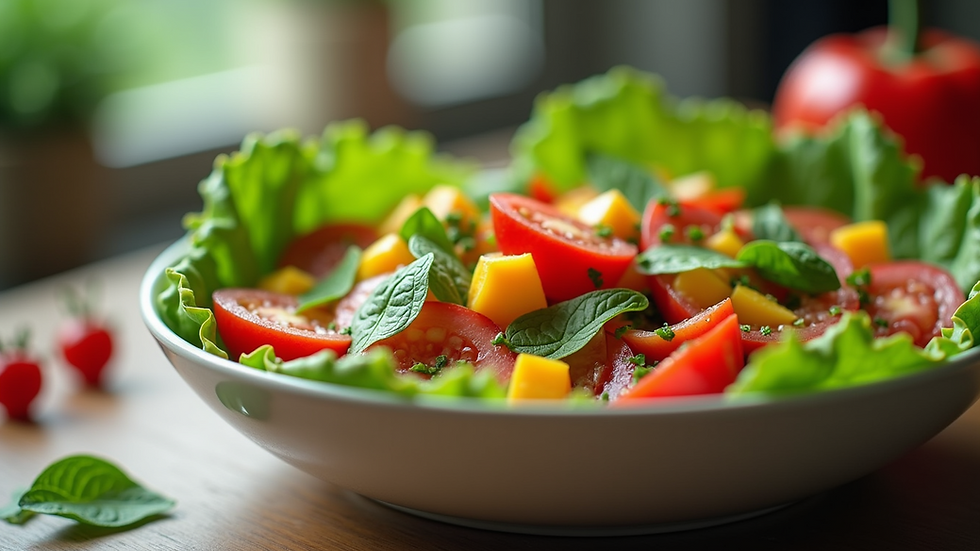
Fruits and vegetables: Aim for a variety of colors on your plate. Each color represents different nutrients.
Whole grains: Choose brown rice, quinoa, and whole grain bread over refined grains.
Lean proteins: Incorporate sources like chicken, fish, beans, and legumes.
Portion Control is Key
Understanding portion sizes can help prevent overeating.
Use smaller plates: This simple trick can make your portions appear larger.
Read labels: Familiarize yourself with serving sizes on food packaging.
Listen to your body: Eat slowly and pay attention to hunger cues.
Stay Hydrated
Water is essential for overall health. It aids digestion, keeps your skin healthy, and helps regulate body temperature.
Drink water before meals: This can help control appetite and prevent overeating.
Limit sugary drinks: Opt for water, herbal teas, or infused water with fruits for flavor.
Plan Your Meals
Meal planning can save time and ensure you make healthier choices throughout the week.
Create a weekly menu: Outline your meals and snacks in advance.
Prep ingredients: Chop vegetables or cook grains ahead of time to make meal preparation easier.
Keep healthy snacks on hand: Stock up on nuts, yogurt, or fruit to avoid unhealthy snacking.
Incorporate Healthy Fats
Not all fats are created equal. Healthy fats are essential for brain health and can help you feel satisfied.
Choose sources like avocados, nuts, and olive oil: These provide essential fatty acids and nutrients.
Limit saturated and trans fats: Avoid processed foods and fried items.
Limit Added Sugars and Salt
Excess sugar and salt can lead to various health issues, including obesity and high blood pressure.
Read labels: Look for hidden sugars in sauces, dressings, and snacks.
Use herbs and spices: Flavor your meals with herbs and spices instead of salt.
Practice Mindful Eating
Mindful eating encourages you to focus on your food and the experience of eating.
Eliminate distractions: Turn off the TV and put away your phone during meals.
Savor each bite: Take time to enjoy the flavors and textures of your food.
Be Flexible
A balanced diet doesn't mean you have to be perfect. Allow yourself the occasional treat without guilt.
Enjoy your favorite foods: Moderation is key; indulge in your favorite dessert or snack occasionally.
Listen to your cravings: Sometimes, your body craves certain foods for a reason.
Stay Active
Physical activity complements a healthy diet and is crucial for maintaining a balanced lifestyle.
Find an activity you enjoy: Whether it's dancing, hiking, or yoga, staying active should be fun.
Aim for at least 150 minutes of moderate exercise each week: This can include walking, cycling, or swimming.
Conclusion
Adopting a balanced diet is a journey that requires patience and commitment. By following these 10 healthy eating tips, you can create a sustainable eating pattern that nourishes your body and supports your overall health. Remember, it's not about perfection; it's about making better choices that fit your lifestyle. Start small, stay consistent, and enjoy the process of discovering new foods and flavors that contribute to your well-being.


Comments